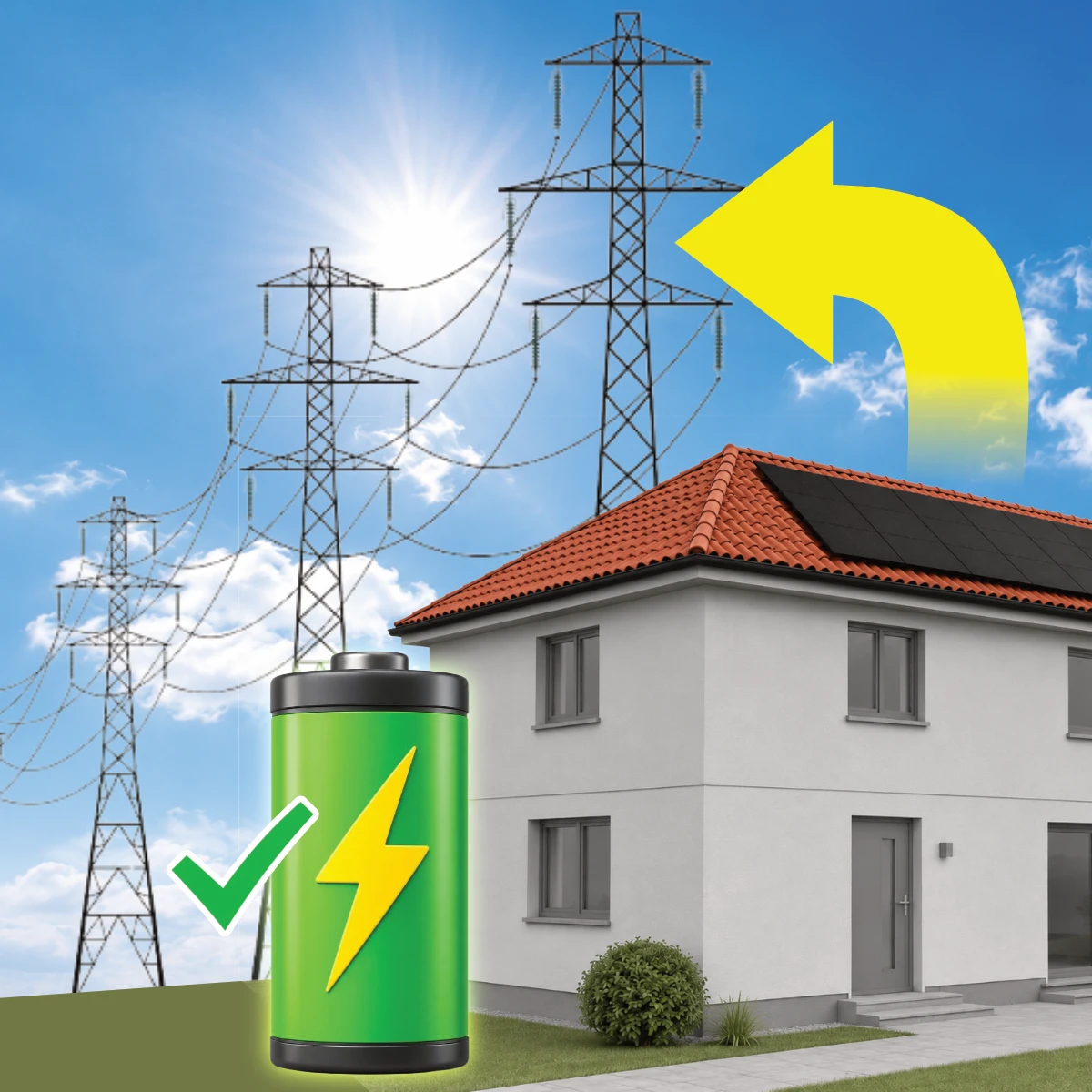

A solar battery system automatically balances electricity between the solar panels, the home, the battery and the grid.
During the day, solar electricity is used by the home first. Any surplus can charge the battery, ready to be used later when solar generation falls.
Solar electricity is used by the home first
During daylight hours, electricity generated by the solar panels is normally used first by appliances and equipment operating within the property.
If the panels are generating more electricity than the home requires at that moment, the remaining energy is available to charge the battery.
Surplus solar energy charges the battery
The battery stores electricity that might otherwise be exported immediately to the grid.
It continues charging while there is surplus solar generation available and space remaining within the battery.
This stored energy can then be used later, helping the household make greater use of the electricity generated by its own solar panels.
The battery supplies the home when solar generation falls
Solar output reduces later in the day and stops after sunset.
When the panels are no longer generating enough electricity to meet household demand, the battery can begin supplying the home automatically.
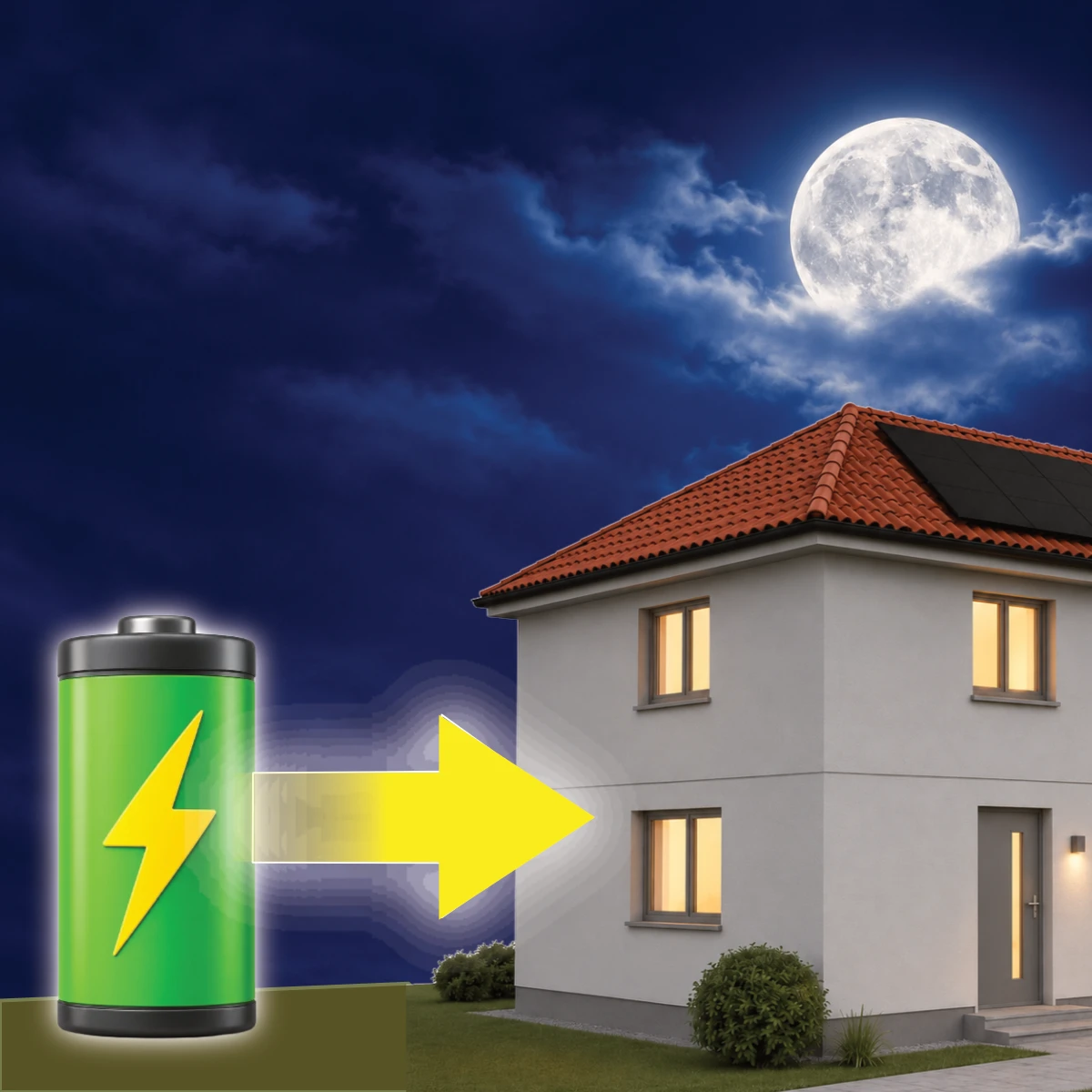
Electricity collected earlier in the day can therefore be used during the evening, overnight or whenever household demand exceeds current solar generation.
The homeowner does not normally need to operate any switches. The system responds automatically as conditions change.
The grid remains available when needed
A solar and battery system does not normally disconnect the property from the electricity network.
If solar generation is unavailable and the battery becomes depleted, or cannot provide all the electricity required, the remaining demand is supplied by the grid.
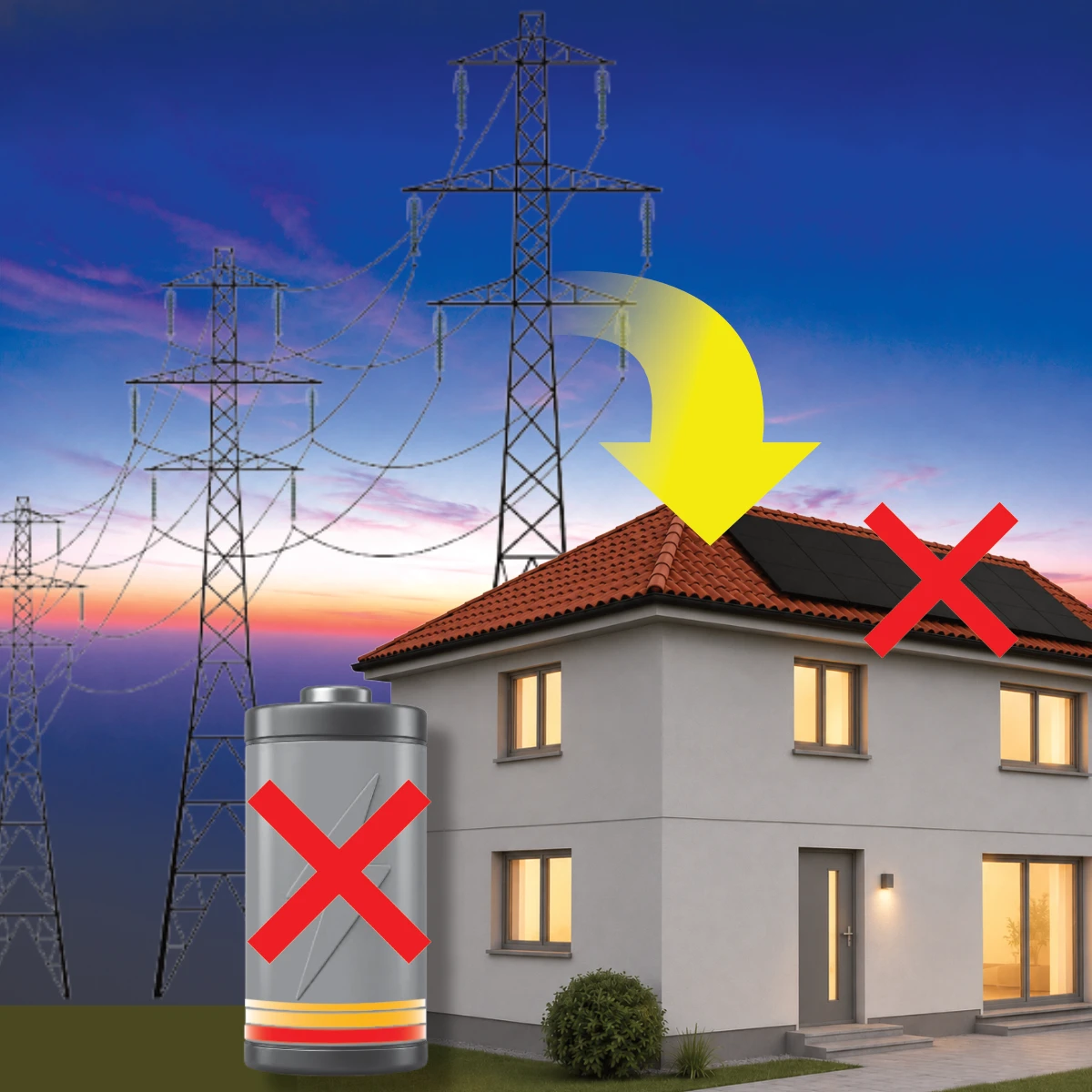
When solar generation is unavailable and the battery is depleted, the home automatically draws electricity from the grid.
This means the household continues to receive electricity in the usual way, even when neither the solar panels nor the battery can meet demand.
What happens when the battery is full?
The solar panels continue generating whenever sufficient daylight is available.
Once the home’s immediate electricity demand has been met and the battery is fully charged, any additional solar generation can be exported to the grid.