
Yes, You Can Install a Battery Without Solar Panels
Home batteries are often associated with solar panels, but they do not have to be installed as part of a solar PV system.
A battery can be installed on its own and charged from the electricity grid. This is sometimes called a stand-alone battery installation.
For some homes, this can be a useful option. It may suit households that are not ready for solar panels, have a roof that is not suitable, or simply want to take advantage of flexible electricity tariffs.
A stand-alone battery can also be a first step towards a future solar installation, provided the system is designed with this in mind.
How Does a Stand-Alone Battery Work?
A stand-alone home battery is charged from the electricity grid rather than from solar panels.
The simplest way to use it is to charge the battery when electricity is cheaper, often overnight on a suitable time-of-use tariff. The stored electricity can then be used later in the day when electricity is more expensive.
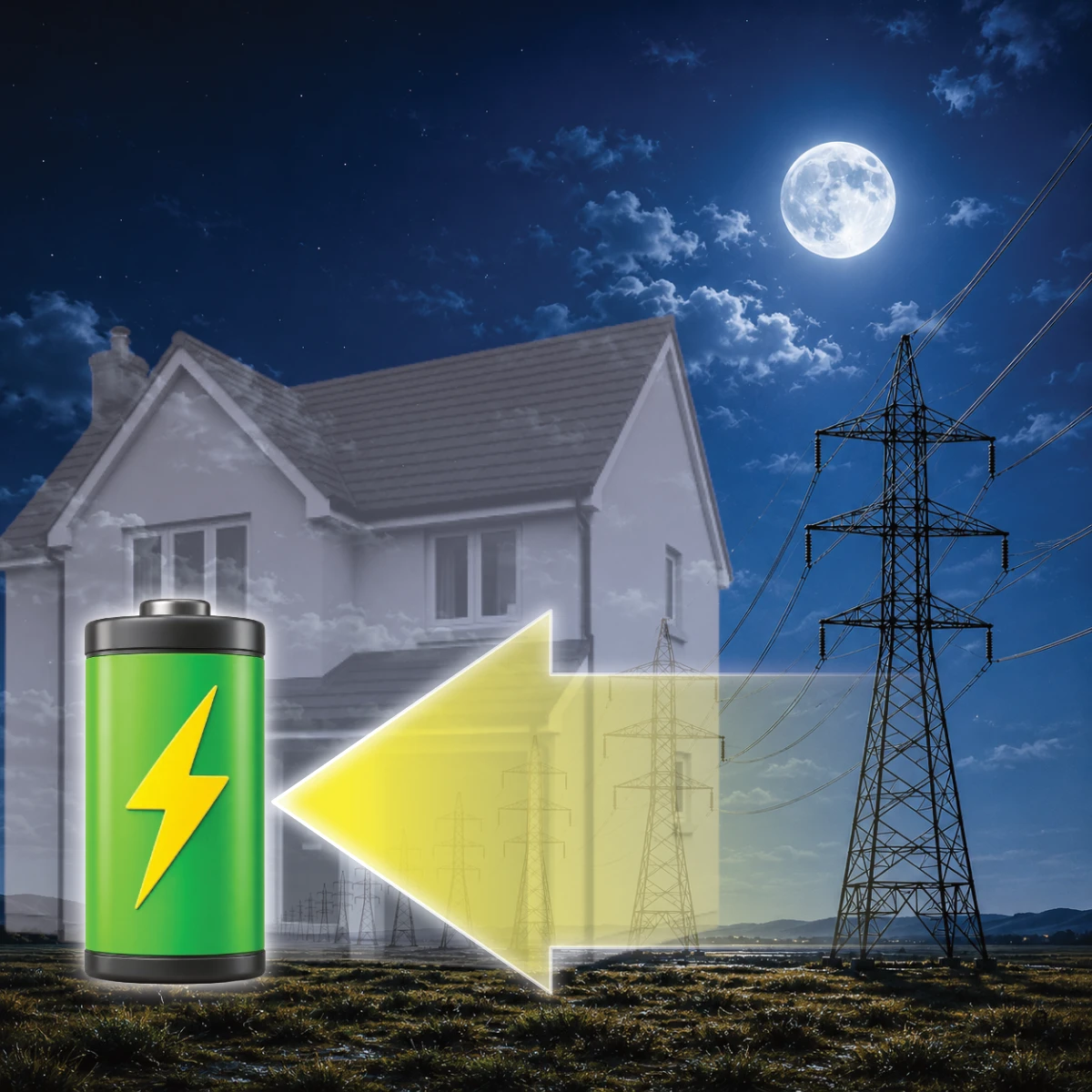
For many homes, the most expensive period is late afternoon and early evening, when demand on the grid is high. A battery can be set up to supply the home during this peak period, helping to reduce the amount of expensive electricity imported from the grid.
Some battery systems can also work with more advanced tariffs or energy services. In these cases, the battery may be scheduled to charge or discharge at certain times, either to reduce costs for the homeowner or to help support the wider electricity network.
The important point is simple: even without solar panels, a battery can give the homeowner more control over when electricity is bought and used.
Why Install a Battery Without Solar Panels?
There are several reasons why a homeowner might consider a stand-alone battery.
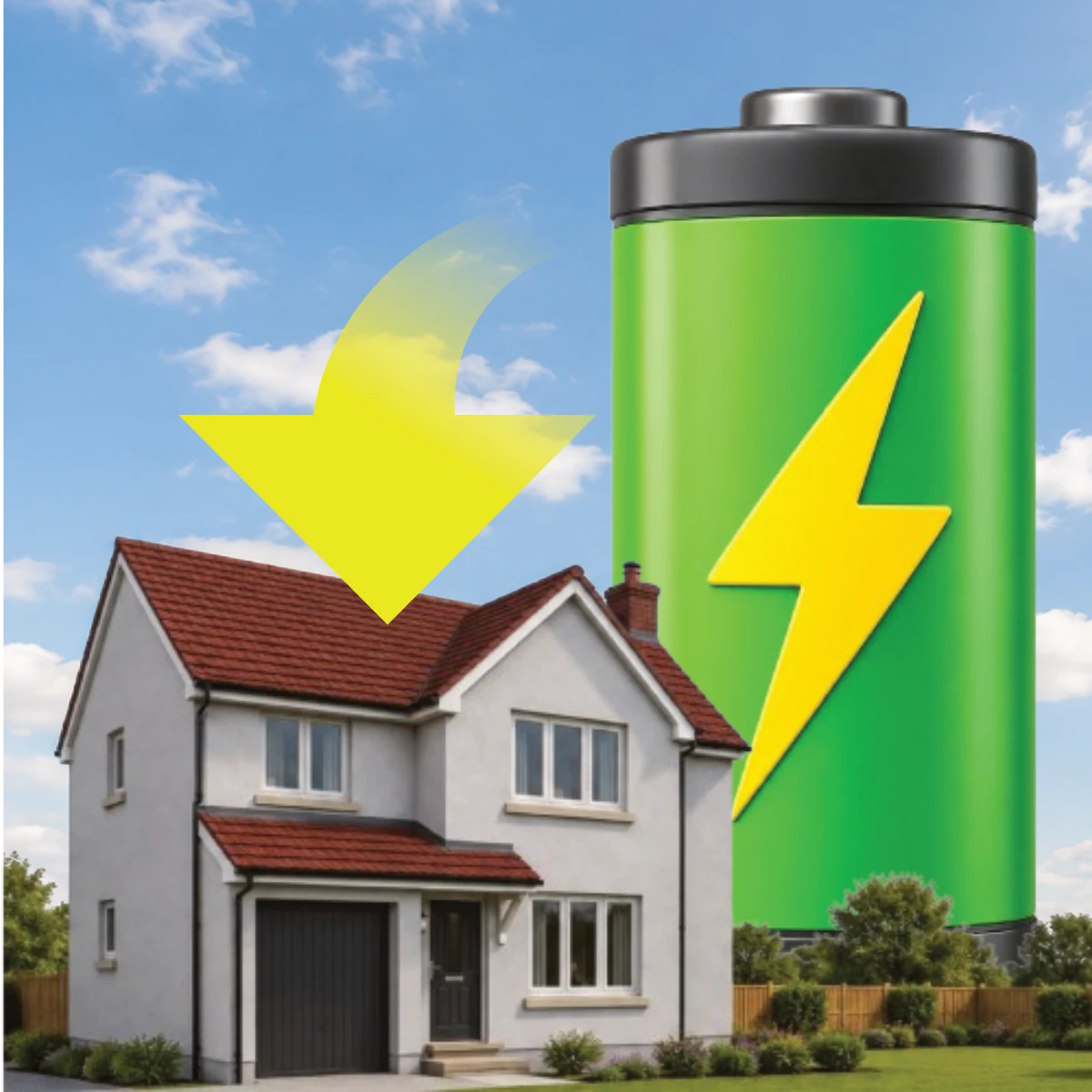
It can help the home make better use of cheaper off-peak electricity, especially where solar panels are not currently practical due to roof space, shading, planning considerations or other restrictions.
A stand-alone battery may also suit homeowners who want more control over their electricity use now, while keeping the option of adding solar panels later.
Is a Stand-Alone Battery Right for Every Home?
A stand-alone battery is not automatically the best option for every property.
The benefit depends on how much electricity the household uses, when that electricity is used, the size of the battery, and the tariff available from the electricity supplier.
For example, a home with higher evening electricity use may benefit more than a home that uses very little power during peak-rate periods.
This is why it is important to look at the property, the household’s energy use, and the available tariff options before deciding whether a battery-only installation makes sense.
Can Solar Panels Be Added Later?
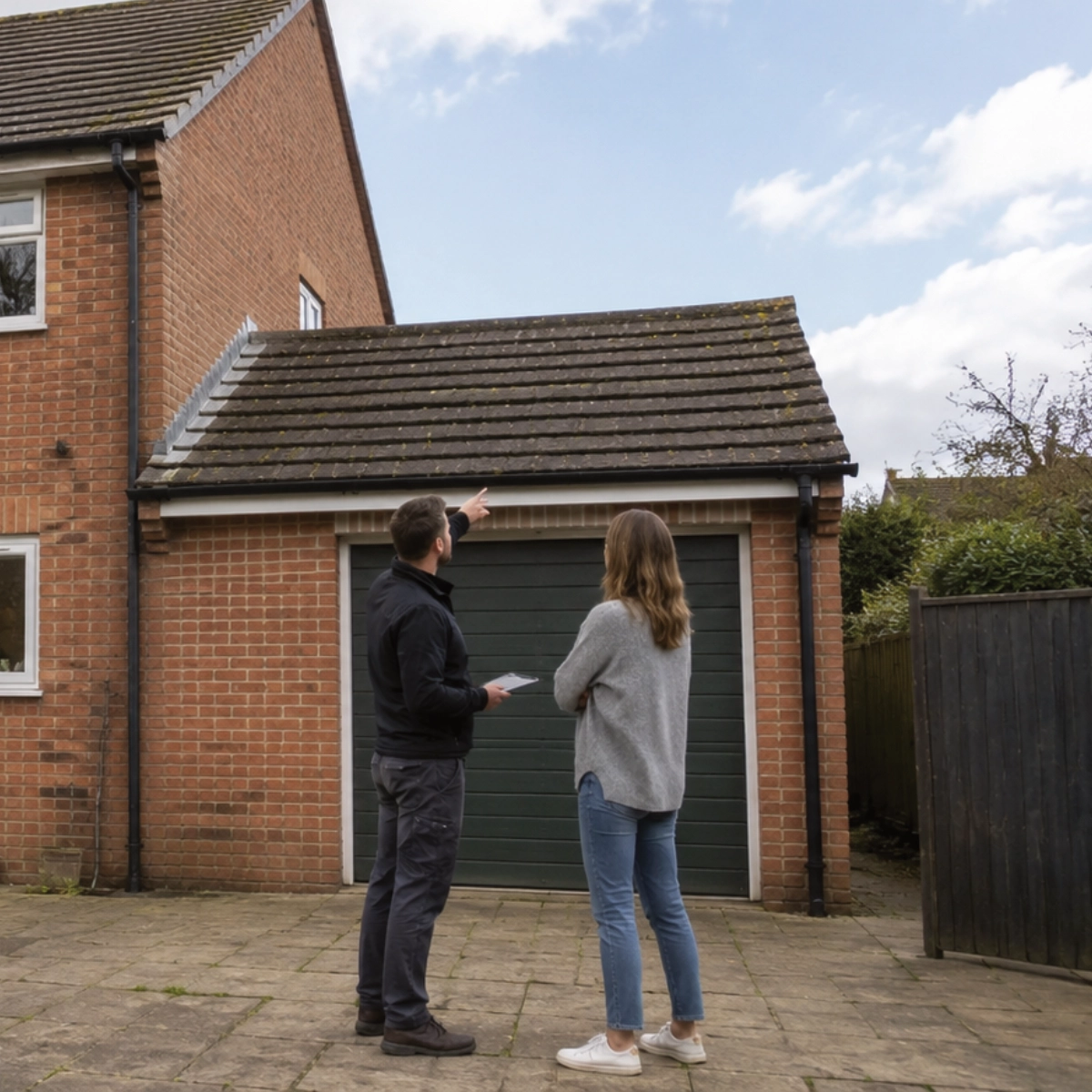
In many cases, solar panels can be added later, turning a stand-alone battery system into a solar-plus-battery system.
However, it is important that the system is designed with future expansion in mind. The battery, inverter, electrical layout and available space should all be considered before installation.
Planning ahead can help avoid unnecessary changes later.
Thinking About Battery Storage?
A stand-alone battery can be a useful way to take more control over household electricity use, even without solar panels.
It can help store cheaper electricity for use at more expensive times of the day, and may provide a practical route towards a future solar installation.
If you are considering battery storage but are not sure whether solar panels are right for your home, Stag Solar can assess your property, energy use and tariff options to help you decide on the best approach.
Why not see our reviews on Which? Trusted Trader?