
How Solar Panels Work
If you’re considering investing in solar panels for your home or business, it helps to understand how solar panels generate electricity.
A solar PV system converts sunlight directly into electrical energy through a process called the photovoltaic effect.
The Photovoltaic Effect
Solar panels contain photovoltaic (PV) cells, usually made from silicon. When sunlight reaches these cells, energy from light particles causes electrons within the silicon to move. As these electrons move, they create an electrical current.
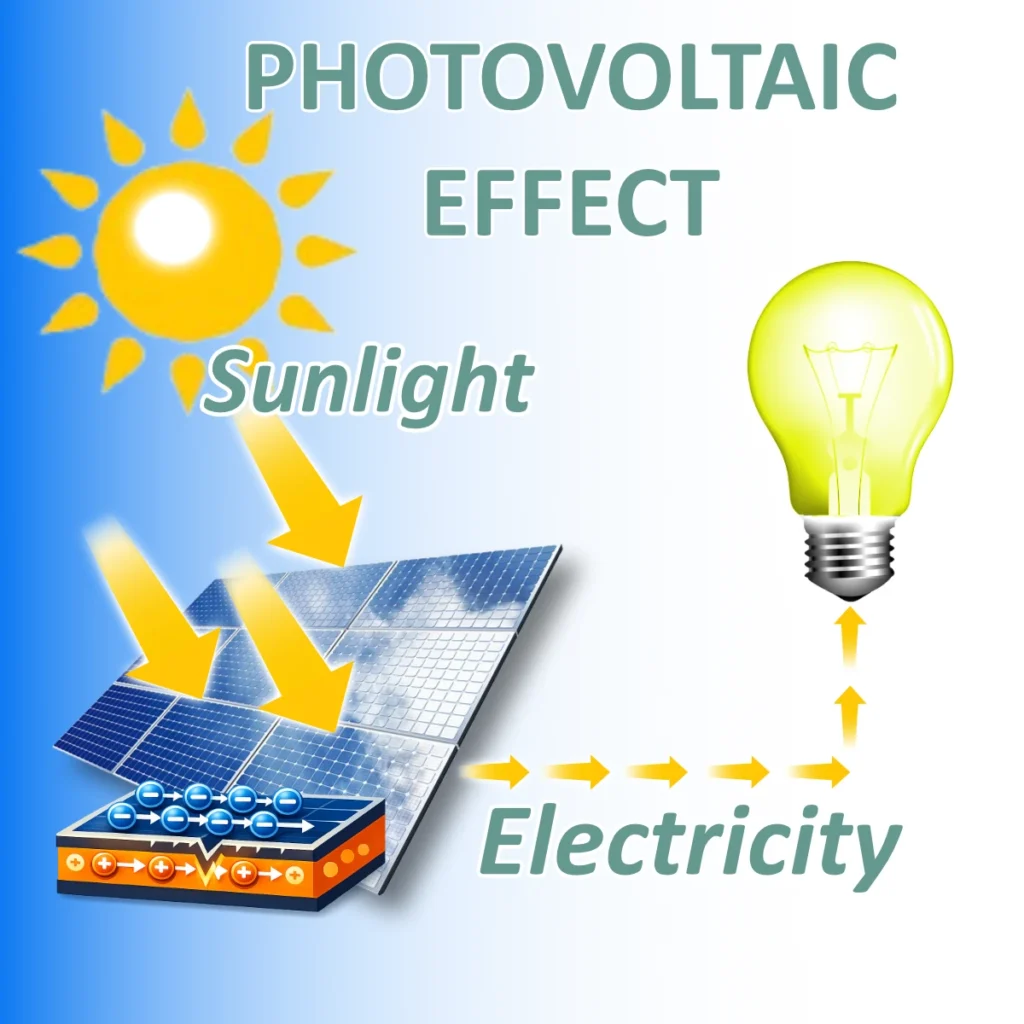
In simple terms: Sunlight → Electron movement → Electrical current
Solar panels convert light directly into electricity. The process requires no fuel, produces no combustion, and involves no moving parts.
Most solar installations use multiple panels connected together to form an array.
From Panel to Property
A solar panel generates electricity as direct current (DC). In a complete solar PV system, this electricity flows to a solar inverter. The inverter then converts the DC electricity into alternating current (AC) so homes and commercial buildings can use it safely.
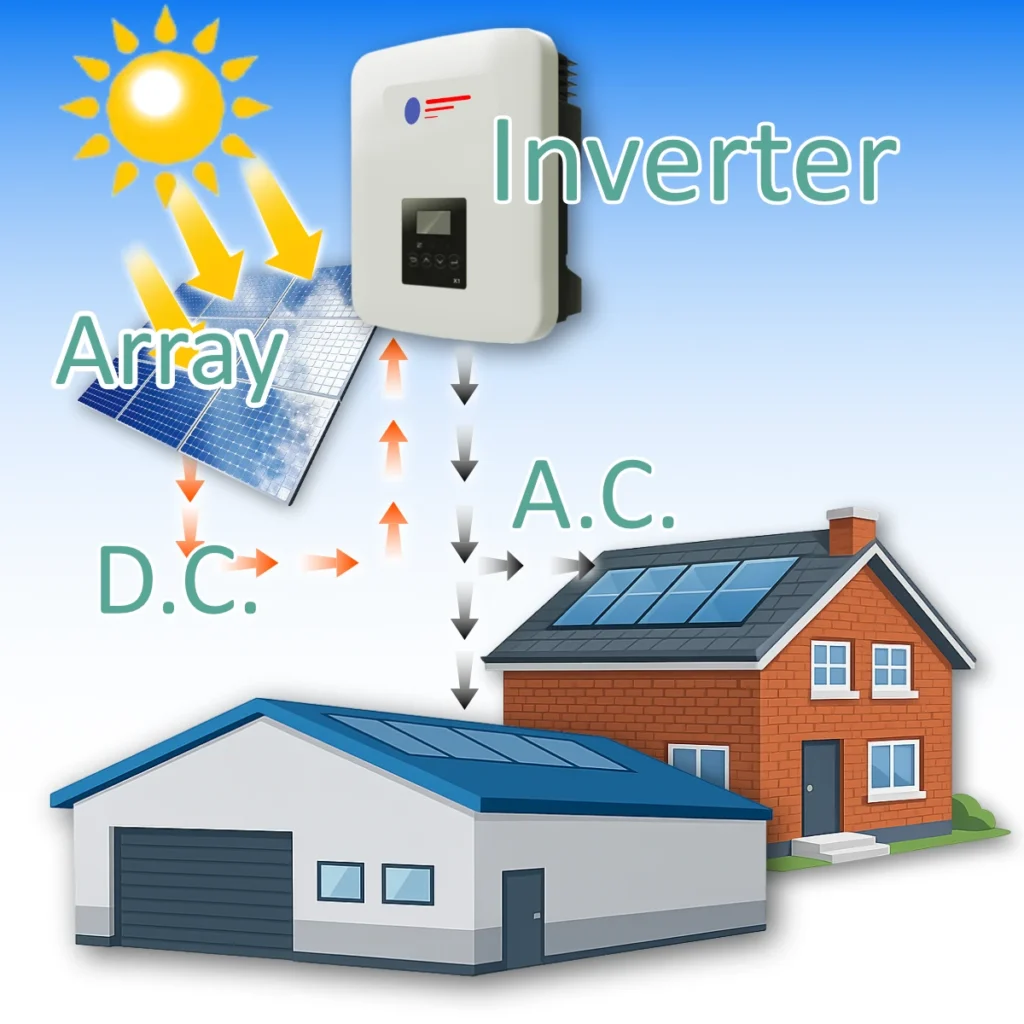
Electricity produced by solar panels can be used to power homes and commercial buildings.
Once converted, the electricity can:
-
Power equipment within the property
-
Reduce the amount of electricity purchased from the grid
-
Export surplus electricity to the grid where appropriate
Solar panels can supply electricity directly to homes and commercial buildings during daylight hours.
Considering Solar?
Understanding how solar panels work is the first step in deciding whether a solar PV system suits your property.
For domestic installations: Solar Installation Quote for Homes in Essex
For commercial premises: Commercial Solar Installation in Essex