
In the UK, most customers will encounter four practical Solar PV options: Monocrystalline, Polycrystalline, Bifacial and Solar Tiles. All work the same way: sunlight hits silicon, electrons move, and electricity is produced. The difference lies in construction, efficiency and application.
The Monochrystalline Panel (Mono)
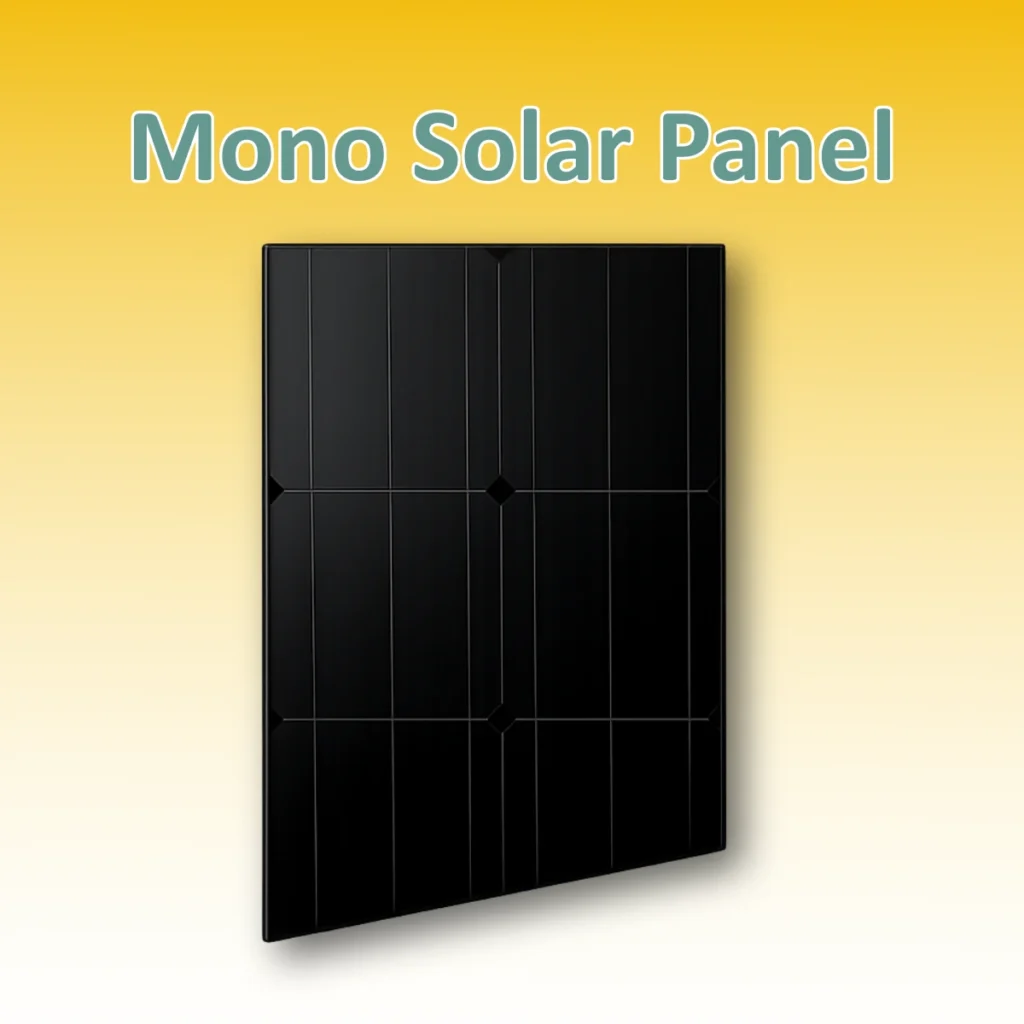 Monocrystalline solar panels offer high efficiency (typically 19–22%) and a sleek all-black appearance, making them ideal where roof space is limited. They have a 25+ year lifespan.
The Polychrystalline Panel (Poly)
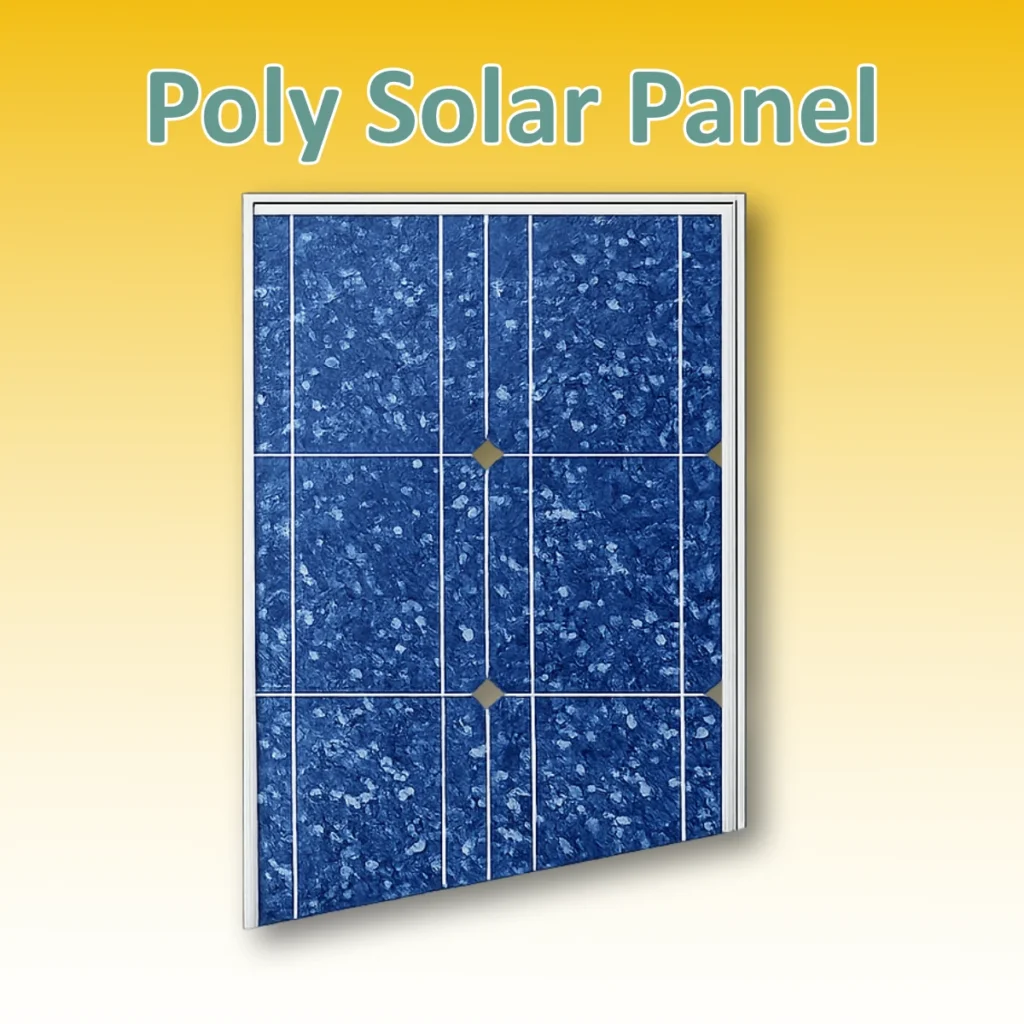 Polycrystalline solar panels have a distinctive blue appearance and typically offer moderate efficiency at a lower upfront cost. Most often used in situations where roof space is not an issue.
Bifacial Panels
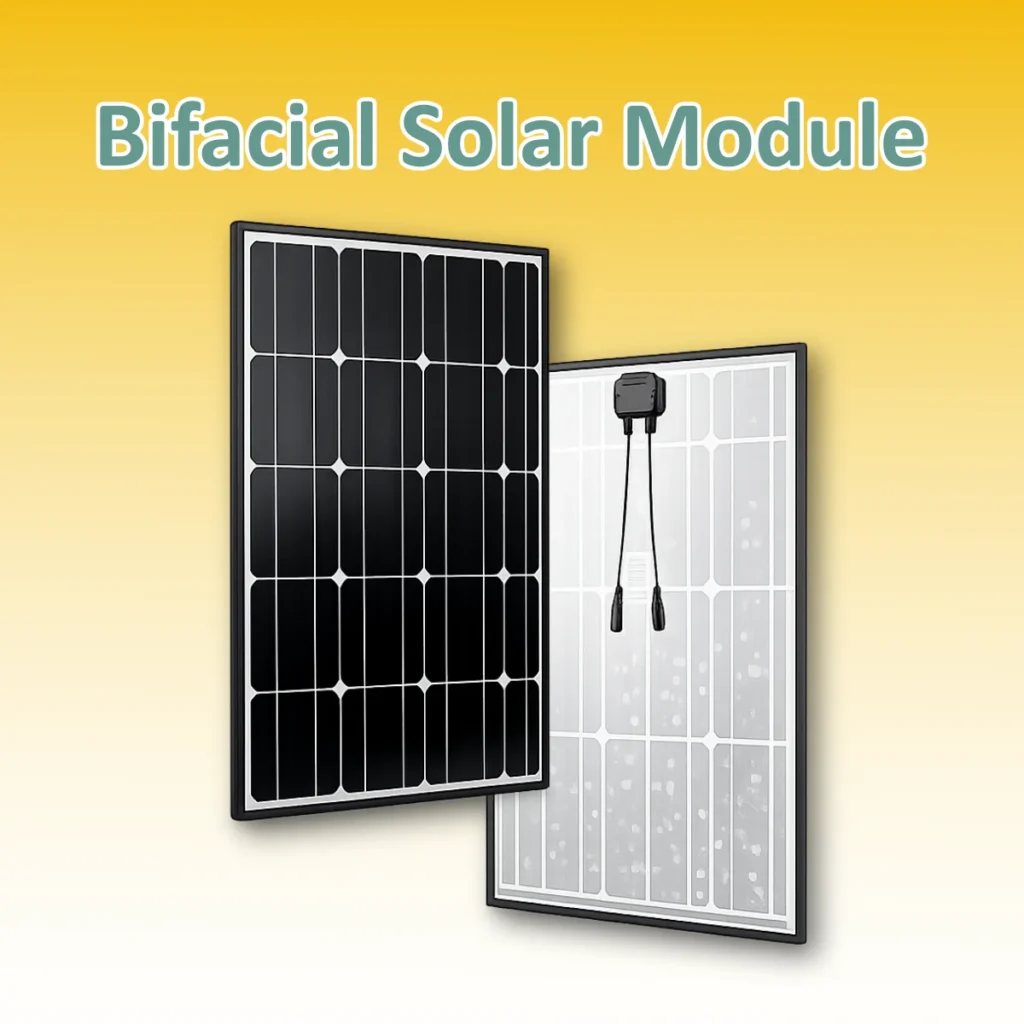
Bifacial solar panels generate electricity from both the front and rear surfaces, adding an extra 5 – 20% energy yield. This makes them well suited to ground-mounted and flat commercial roofs.
Solar Tiles (Integrated Solar)
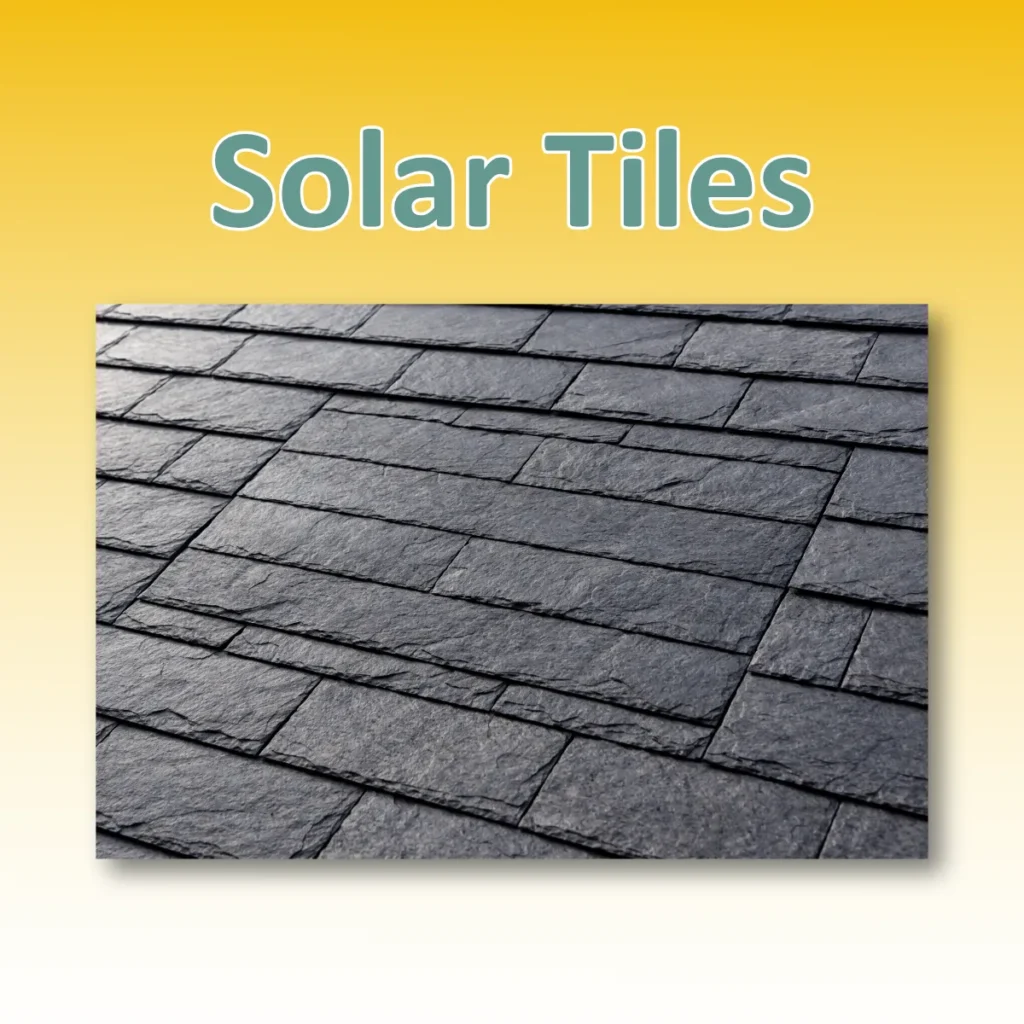 Solar roof tiles are designed to blend into slate or tiled roofs, offering a discreet alternative to traditional solar panels. They have a lower output than standard panels and are best for new builds or planning sensitive projects.
Quick Comparison Guide
| TYPE | EFFICIENCY | APPLICATION |
| Monochrystalline | High | Limited Roof Space (Domestic) |
| Polychrystalline | Medium | Where Roof Space is Not an Issue |
| Bifacial | High+ | Ground Mount / Commercial Flat Roof |
| Solar Tile | Low | New Build, Heritage, Appearance Lead |
Final Thoughts
For most properties, high-efficiency monocrystalline panels are the right choice. However, roof design, available space, planning constraints and energy goals all influence the final system design. Our Stag Solar team will assess your property and recommend the most appropriate solution for long-term performance and reliability. In our next blog, we explain why Solar PV makes sense for UK businesses.